
In the fast-moving world of today, as printing technology soars, so does the quest by businesses for means of creating desired prints on cylindrical objects that are vibrant, durable, and highly precise. From promotional bottles to cosmetic containers, specialty tumblers, and beverage cans, most conventional printers used for printing flat surfaces cannot meet the growing demand for customization and quality. The UV cylinder printer fills the gap in offering direct-to-object digital printing with ultraviolet curing technology, making sharp and full-wrap designs that do not fade with time. Eliminating the need for complex setup and prolonged drying times, this technology will enable businesses to make products more appealing, offer customized solutions, and meet short production runs efficiently. This blog will delve into the mechanisms, key features, business applications, and practical considerations for integrating a UV cylinder printer into modern operations.
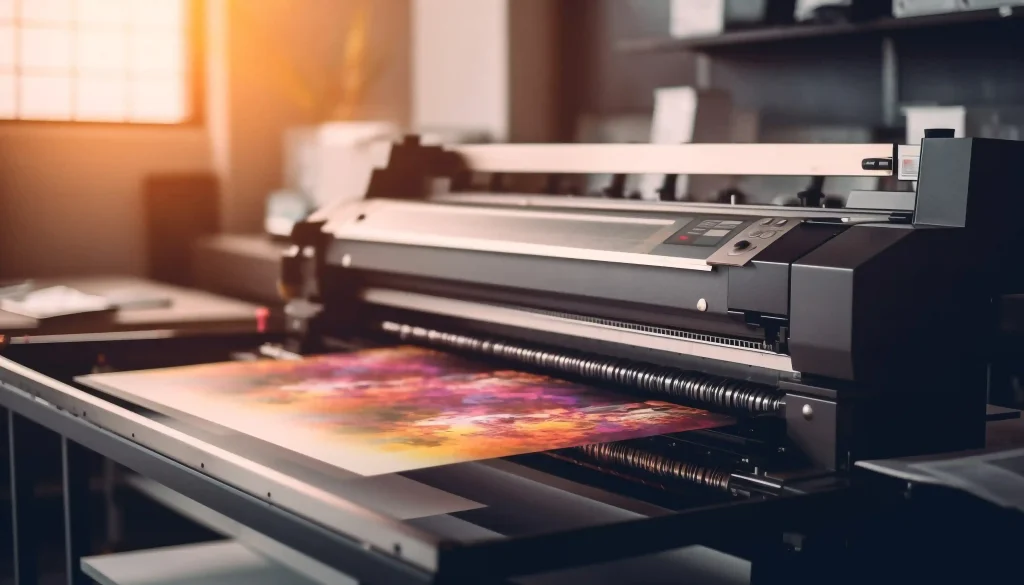
How the UV Cylinder Printer Operates
Understanding how a UV cylinder printer works is the key to appreciating why it has become indispensable in industries requiring high-quality printing on cylindrical surfaces. By grasping its operational principles, including the precise rotation of objects, accurate ink deposition, and instant UV curing, businesses can see how it delivers superior print fidelity, reduces production errors, and enables complex designs that were previously difficult or impossible to achieve on curved surfaces.
Printing Mechanism and UV Curing
This printer operates by depositing UV-curable inks directly onto a rotating cylindrical object. As ink is applied, ultraviolet light immediately cures it into a durable, smudge-resistant coating that retains sharp imagery and vibrant colors. Unlike traditional printing methods, which require multiple passes and extensive drying times, UV cylinder printing ensures instant curing, thus enabling high production efficiency. This mechanism enables consistent coverage around the whole circumference of an object so that logos, patterns, and text will be clear and visually attractive regardless of the orientation of the cylinder.
Precision and Rotary Fixture Technology
Precision is the hallmark of UV cylinder printers, with advanced rotary fixtures retaining cylindrical objects in place and achieving their rotation at uniform speeds as the printhead applies a design to them. This will ensure circumferential coverage is complete and precludes any distortion or misalignment of the print that may occur from manual handling or less-than-sophisticated equipment. These types of machines can accommodate an impressive array of object sizes: diameters ranging from 55 mm to 180 mm and up in length to 240 mm, plus taper angles up to 12°. Such flexibility enables printing on several products easily without loss of quality.
Importance in Industry Applications
UV cylinder printing has revolutionized the capability to produce customized and short-run products with exceptional detail. Accordingly, companies can create very personalized items, including branded water bottles, beverage cans, cosmetic packaging, promotional merchandise, all with sharp and vivid graphics that enhance brand presentation and open doors for the offering of limited-edition products, event giveaways, or premium packaging that adds perceived value. It gives companies not only increased efficiency in the process itself but also speed to market, which is so important in today’s competitive environment.
Key Features of Modern UV Cylinder Printers
Advanced features make UV cylinder printers highly effective in commercial and industrial applications, combining quality, versatility, and ease of operation into one product. These features not only ensure consistent high-resolution printing and precise color reproduction but also allow the machine to handle a wide variety of cylindrical objects with different diameters, lengths, and materials. Additionally, built-in systems such as white ink circulation, automatic lamination, and stable rotary fixtures streamline the workflow, reduce manual intervention, and enhance overall productivity, making these printers a reliable choice for businesses seeking both efficiency and premium print results.
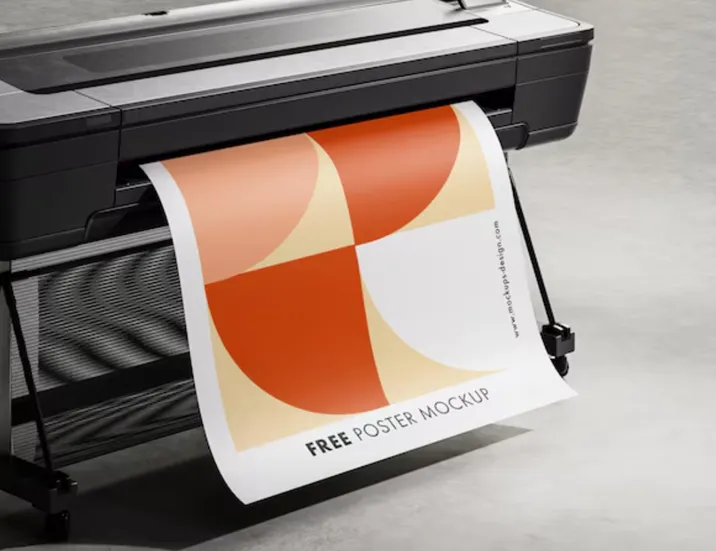
High-Resolution Printing and Color Fidelity
Equipped with several Epson i1600 printheads, these machines can achieve resolutions of 720 dpi up to 2880 dpi. High resolution ensures sharp details, smooth gradients, and correct reproduction of difficult designs, logos, and photographic images. Also, with precision-engineered components such as an integrated base and beam made of aviation aluminum that keeps material accuracy within ±0.02 mm, the result is a consistently high-quality print. This level of detail becomes particularly important for products intended to be used as promotional tools or high-end retail merchandise, where clarity and crispness are crucial.
Broad Object Compatibility
Modern printers for printing objects with a cylindrical shape support an extremely wide range of sizes and object types. Cylinders can range in diameter between 55 mm and 180 mm, lengths up to 240 mm, and with taper angles up to 12° on glass, plastic, and metal substrates. This translates into practical applications where businesses will not be forced to invest in different machine types, given the need to print on different product lines. This, therefore, offers great flexibility when diversifying product lines or customer bases. These adaptations make UV cylinder printers suitable for small custom orders up to full production, ensuring maximum return on investment.
Operational Convenience and Stability
Operational features are designed to be easy to use, more durable, and reliable. Features like the White Ink Circulation System prevent sedimentation and allow for consistent print quality in designs on dark or transparent substrates. Noise is reduced during operation with high-quality, THK linear guide rails, while ensuring the printheads move with great precision. Built-in lamination capabilities provide protective coatings without any additional equipment. All these features combined ensure minimum manual interference and a reduced occurrence of errors, speeding up production workflows and enabling operators to keep track of a printing job with much more ease.
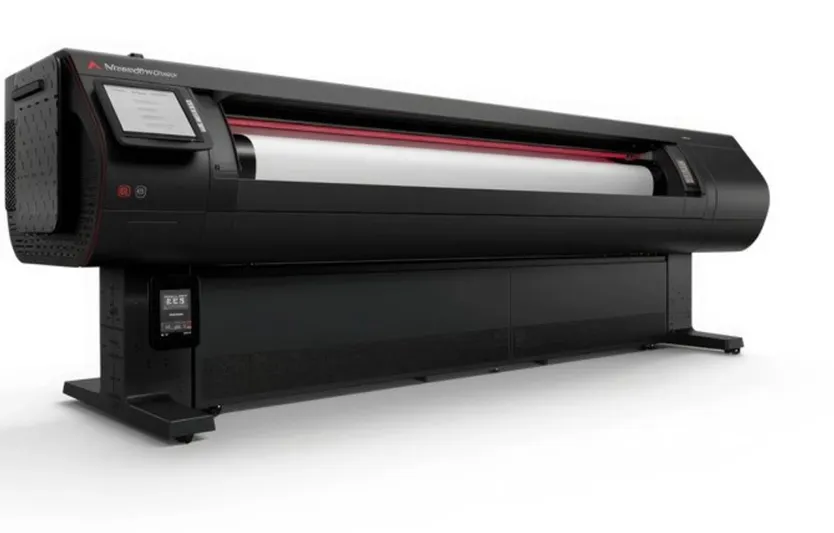
Business Applications and Advantages of UV Cylinder Printers
Beyond the technical specifications of these printers, UV cylinder printers offer practical benefits that can directly impact business productivity, branding, and profitability.
Short-Run Customization and Personalization
UV cylinder printers are especially adept at ultra-short-run production with very customized products. With minimal setup, businesses will be able to print custom designs onto drinkware, event merchandise, limited-edition packaging, and promotional products. This flexibility gives printers a reduced cost and faster turnaround compared to traditional methods and the ability to offer unique designs in smaller quantities. In such a way, companies will be able to promptly respond to market trends, seasonal campaigns, or client-specific requests, opening opportunities for them to differentiate and strengthen brand engagement with bespoke products.
Enhanced Product Branding
High-resolution UV printing, combined with durable, cured inks, enables businesses to create striking products that continue looking great throughout their lifetime. Creative possibilities extend even further with options to print white and gloss inks, allowing for embossed effects, highlights, or contrast layers. The final results of products printed by means of UV cylinder technology look premium, with professional finishing adding value to brand perception. For beverage, cosmetic, or promotional product companies, this can also mean increased customer loyalty and better performance in sales.
Cost Efficiency and Workflow Improvements
UV cylinder printing allows for the elimination of plates, stencils, or more labor-intensive multistep setups; with this comes a considerable reduction in production costs for low- to mid-volume runs. Instant UV curing means jobs get completed sooner, allowing for higher throughput and less downtime. This will give companies the ability to offer customized products at competitive costs without sacrificing quality. Adding UV printing to current workflows also enhances operational efficiency, freeing up resources for more design, quality control, and order fulfillment rather than manual setup and drying.
Factors to Consider When Integrating a UV Cylinder Printer
Successful adoption of a UV cylinder printer requires careful planning, considering space, workflow, maintenance, and substrate requirements.
Space and Environmental Requirements
The physical dimensions of a typical machine, such as 1340 mm length, 480 mm width, and 730 mm height, necessitate adequate workspace for operation and maintenance. Electrical requirements, including 220 V power and 1300 W consumption, must be met. Additionally, optimal temperature (15–30 °C) and humidity (30–70%) are important to ensure consistent print quality. Proper workspace planning allows for smooth operations, safe handling, and sufficient room for operators to perform routine maintenance.
Substrate and Fixture Compatibility
While UV cylinder printers are highly versatile, objects must fall within supported diameter, length, and taper specifications. Certain shapes or materials may require custom fixtures to ensure accurate printing. Verifying substrate compatibility—glass, metal, or plastic—is essential to avoid errors, misalignment, or material damage. Attention to these details ensures optimal print quality and minimizes downtime caused by improper handling or unsupported materials.
Maintenance and Consumable Planning
Ongoing maintenance is necessary to maintain print quality and machine longevity. This includes regular calibration of printheads, maintenance of white ink circulation systems, and timely replacement of consumables such as CMYK, white, and gloss inks. Efficient workflow integration requires planning for design layout, prepress preparation, and quality inspection. Proper maintenance and supply management maximize uptime, reduce operational costs, and ensure consistent product quality for all orders.
Conclusion
A UV cylinder printer represents a transformative technology for businesses seeking high-quality, direct-to-object printing on cylindrical surfaces. Its advanced capabilities—high-resolution printheads, versatile rotary fixtures, and instantaneous UV curing—allow for precise, durable, and visually striking prints across a wide range of substrates and product types. Businesses benefit from short-run flexibility, enhanced branding potential, reduced setup costs, and improved operational efficiency. Careful consideration of space, substrate compatibility, and maintenance requirements ensures seamless integration into production workflows. Adopting UV cylinder printing technology empowers companies to deliver premium, customized products efficiently while remaining agile in a competitive market. For detailed specifications and further information on this cutting-edge technology, visit the product page KONIN – Professional DTF & UV DTF suppler. – KONIN.