
The DTF printer has revolutionized textile customization and garment printing. Compared to traditional methods such as screen printing or DTG, DTF printing is highly versatile, remarkably efficient, and provides consistent, professional-quality results over a wide range of fabrics. The following article thoroughly outlines the main features of DTF printers: what makes modern systems different, how they significantly improve workflow, and key considerations in selecting the most suitable model for your growing business potential.
Understanding the Core Technology of a DTF Printer
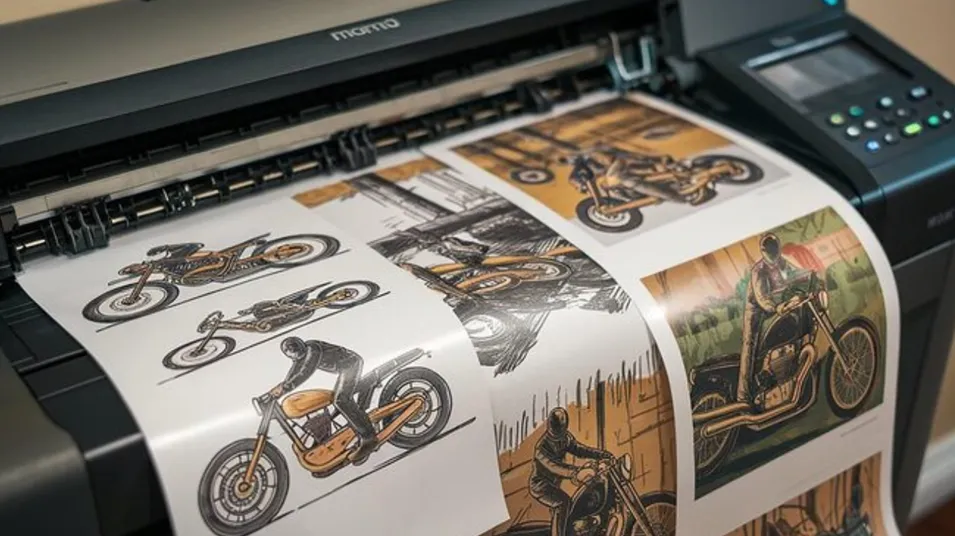
The process of DTF printing differs from general printing processes. It involves a number of crucial junctures that make it different from all other printing methods. Before investing in a DTF printer, it becomes very important to understand the way it works and what its parts are to produce high-quality output.
The Role of Direct-to-Film Printing
Direct-to-Film printing is the process by which designs are transferred onto a special PET film using pigment-based inks. These normally encompass CMYK and white; the white acts as an underlay to make the colors pop, especially on dark fabrics. The next step after printing is powder application, whereby hot-melt adhesive powder is applied evenly over the design. Finally, the film is heat-pressed onto fabric, precisely and durably transferring the design into the material. The addition of white ink and powder within this process ensures that prints remain bright and flexible, wash after wash.
Importance of White Ink Circulation
One big feature of high-end DTF printers is a white ink circulation system. White pigment will quickly settle if left to its own devices and block the print head, resulting in inconsistent prints. Newer models include automated circulation mechanisms that maintain agitated ink ready to be applied precisely. The system minimizes printer downtimes while reducing maintenance needs, ultimately releasing operators to produce jobs rather than debug problems.
Versatility Across Fabric Types
One of the strong points with DTF printers is that they can print on almost all kinds of fabric, including cotton, polyester, blends, nylon, and even leather. This becomes a major factor in expanding the product line of a business without necessarily needing several specialized printers for the job. Whereas DTG struggles on non-cotton textiles, DTF ensures that color adherence and durability remain consistent regardless of the material. Consequently, this printer flexibility expands the creative possibilities and market reach.
Evaluating Key Features of Modern DTF Printers
The right choice of DTF printer requires great deliberation in terms of the machine build, print heads, and supporting components, as each feature adds up to the overall quality, efficiency, and longevity of the system.
Print Head Configuration and Output Speed
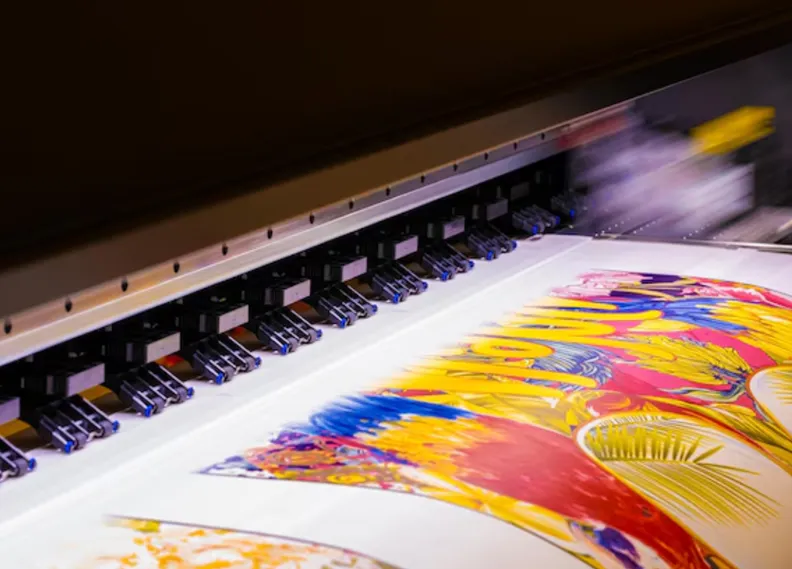
Modern DTF printers can be set up with 2, 4, or more print heads, which immediately makes a difference in speed and print width. Their two-head versions are best for smaller operations because they assure good, reliable output without taking up too much space. On the other hand, 4-head printers offer much higher throughputs, enabling high-volume production without sacrificing quality. Most of the high-end printers use Epson i3200-A1 print heads to assure precision and consistency on wide-format prints. The choice of head configuration is a balance between production needs and budget.
Integrated Ink System
A powerful DTF printer should provide for a full CMYK+White ink configuration. White ink becomes highly important when printing on dark or transparent garments to serve as a base layer for vibrant, opaque colors. Higher-end units incorporate white ink circulation to prevent the pigment from settling and promote consistent printing with minimal waste. Professional-level textile printing requires both an efficient ink delivery system and consistent color reproduction, which this unit integrates for easier maintenance and assures its reliability of function.
Powder Shaker and Dryer Integration
The powder shaker is an indispensable part of the DTF process, in which hot-melt adhesive powder is uniformly spread onto the printed films. In advanced systems, the automated shakers may be incorporated with integrated drying units containing a number of heating elements for speedy and even curing of the powder. Such features minimize the use of hand labor, prevent clumping of powder, and prepare the film for accurate heat transfer. This further helps a company attain prints with consistency and high quality while keeping up production efficiency.
Enhancing Workflow and Production Efficiency with a DTF Printer
The DTF printer is not just about output quality, but also about the workflow improvements that save time and minimize labor costs. Understanding these efficiencies will help operators maximize the return on their investment.
Streamlined Film-to-Fabric Transfer
DTF technique combines printing, powder application, and heat transfer into a sequential work process. After printing on the PET film, the design reaches the shaker, where adhesive powder is applied and dried. The preparation this way enables faster heat-pressing onto garments with minimum intervention and less chance of process errors. Automation of shakers by variable heat options promises more speed for each print to be ready for transfer consistently.
Consistency and Durability
The major plus that a DTF printer has is in the durability of the print. A combination of white ink and hot-melt powder is strong in its adhesion and guarantees that prints will not fade or lose their flexibility after repeated washes. Advanced printers achieve high precision and color accuracy; this provides your garments with a professional look and helps your business maintain a strong reputation for quality.
Scalability and Production Flexibility
DTF printers can scale up to meet increased production demands. Small-scale printers of narrow widths are ideal for startups or on-demand orders, while wide-format 60 cm printers with multiple heads support higher throughputs for commercial operations. This will enable companies to incrementally scale their operations without significant workflow disruption, meaning DTF printers are future-proof investments for growing textile printing endeavors.
Selecting the Right DTF Printer for Your Business
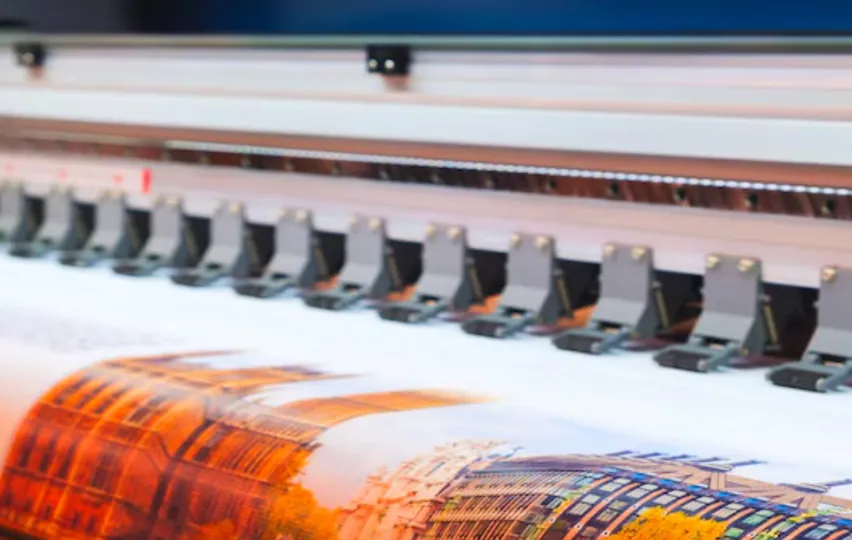
This will depend upon the volume of production, type of fabrics, and operational requirements. Keeping such considerations in mind will result in adequate alignment of investment to meet existing needs and future growth.
For Small Businesses and Startups
Entry-level DTF printers can be compact, featuring single or dual heads and A3-width printing. They will be more affordable, take less space, and simplify the workflow when used in limited-scale production. Such a printer would provide a good starting point for start-up businesses just getting into the custom apparel market and finding the right mix between cost efficiency and professional-quality prints.
For Medium to Large Production
Models having two to four heads and 60 cm printing widths are available to provide higher production speeds for output operations running at high volumes. Adding premium shakers fitted with six-light dryers and automatic roll collection allows operators to handle continuous printing jobs economically. This will suit a commercial operation where the primary requirement is to sustain quality and minimize labor costs.
Additional Considerations
Key considerations that go into choosing a DTF printer include workspace requirements, power capacity, consumables availability, and software compatibility. A well-thought-out plan ensures that the printer fits comfortably into the current workflow and accomplishes what is required of it regarding production. In addition, quality control over key components such as linear guide rails, stepper motors, and roller systems ensures long-term reliability and precision.
Maximizing the Advantages of DTF Printer
Using a DTF printer to its fullest extent requires the knowledge of its benefits and how best to operate and maintain such a printer.
High Adaptability Across Materials
DTF printer allows businesses to work on a diverse range of fabrics without sacrificing quality. From cotton and polyester to blends and specialty materials, the technology ensures that colors adhere properly and designs remain crisp. This versatility opens opportunities for customized merchandise, promotional products, and unique apparel lines that appeal to a wider customer base.
Vibrant and Durable Results
The combination of white ink, CMYK colors, and hot-melt powder ensures that prints remain vivid and resistant to washing. Properly calibrated DTF printers produce sharp details, smooth gradients, and rich colors that enhance the visual appeal of garments. Consistency in print quality strengthens brand credibility and customer satisfaction.
Efficient and Cost-Effective Production
DTF printer reduces setup costs compared to screen printing, minimizes waste by printing on demand, and allows businesses to scale production efficiently. Integrated workflows and automated features, such as powder shakers and dryers, save time and labor while maintaining high-quality output. This efficiency makes DTF printers an attractive investment for businesses seeking to expand without significantly increasing overhead.
Conclusion
The DTF printer has become an essential tool for modern textile printing, offering unmatched versatility, vibrant results, and scalable production capabilities. From small startups to commercial enterprises, selecting the right printer and shaker system ensures consistent, high-quality output while streamlining workflows. By focusing on features such as white ink circulation, print head configuration, powder shaker integration, and structural stability, businesses can make informed choices that support growth and profitability. For more details on high-performance DTF printer sets, including 2-head and 4-head options with integrated shakers and dryers, explore the product range at KONIN – Professional DTF & UV DTF suppler. – KONIN.