
Today, small or big custom apparel business owners eagerly wait to enjoy these vibrant, eco-friendly, and top-quality prints. Direct-to-Film printing is among the top ways of achieving this, one that thoroughly surpasses traditional methods of printing in terms of versatility and accuracy. At the very heart of the process is DTF powder, a specialized adhesive that maintains printed artwork safely and securely positioned on fabrics, retaining their color brightness and stability long-term. Understanding the role, traits, and uses of DTF powder is essential to anyone who wishes to produce professional-grade garments with wasteful inefficiency. This article offers a detailed description of DTF powder, ranging from its composition to advantages, uses, and what to look for when selecting the most suitable powder for different types of fabrics.
The Fundamentals of DTF Powder
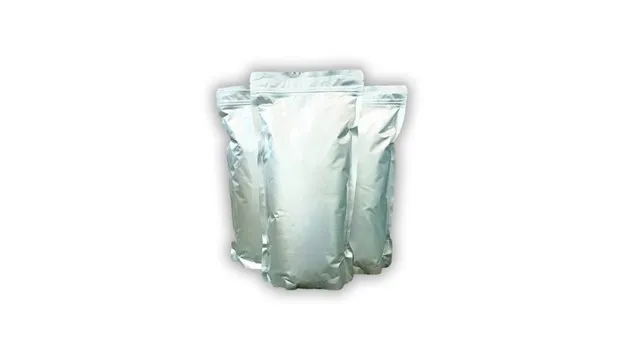
DTF powder is a staple commodity used in the process of direct-to-film printing as a binder between printed designs and fabrics. Its primary function is to ensure that following the heat-pressing process, the ink remains well on the surface of the fabric to produce lasting and high-color-density prints. The powder is important not only in preserving print quality but also in the determination of the texture, elasticity, and overall hardness of the finished product. Its application is a make-or-break point for whether professional-grade design holds up or tears apart and comes apart after a few washes.
The Composition of DTF Powder
DTF powder is usually composed of finely ground polyester or polyurethane resins. They are designed in a way to provide flexibility and toughness, hence designs can be stretched, washed, and used daily without breaking. The powder also comes in different grades like coarse, medium, and fine that suit particular design requirements. Fine powders are ideal for fine patterns and fine details, whereas coarse powders have high adhesion for big designs.
Compatibility with Fabrics
Another biggest advantage of DTF powder is that it can be used on various fabrics. It can be printed on polyester, cotton, polyester-cotton blends, and even specialty fabric. This is opening a window for clothing producers to implement the utilization of DTF printing to use on hoodies, sportswear, T-shirts, and promotional wear without compromising lower quality or less durable end products. By having the capability of sticking to different fabric materials, DTF powder breaks down new design possibilities for businesses and designers.
Ease of Use in Production
The process of using DTF powder is simple, and therefore, it is compatible with use by operators of various skill levels. The powder is manually applied using shakers or automated machines to provide for equal distribution across the printed image. Its simplicity reduces labor requirements, streamlines operations, and maximizes output in a way that allows small-scale and industrial printing centers to achieve professional-quality outcomes on each application.
Key Features of Modern DTF Powder
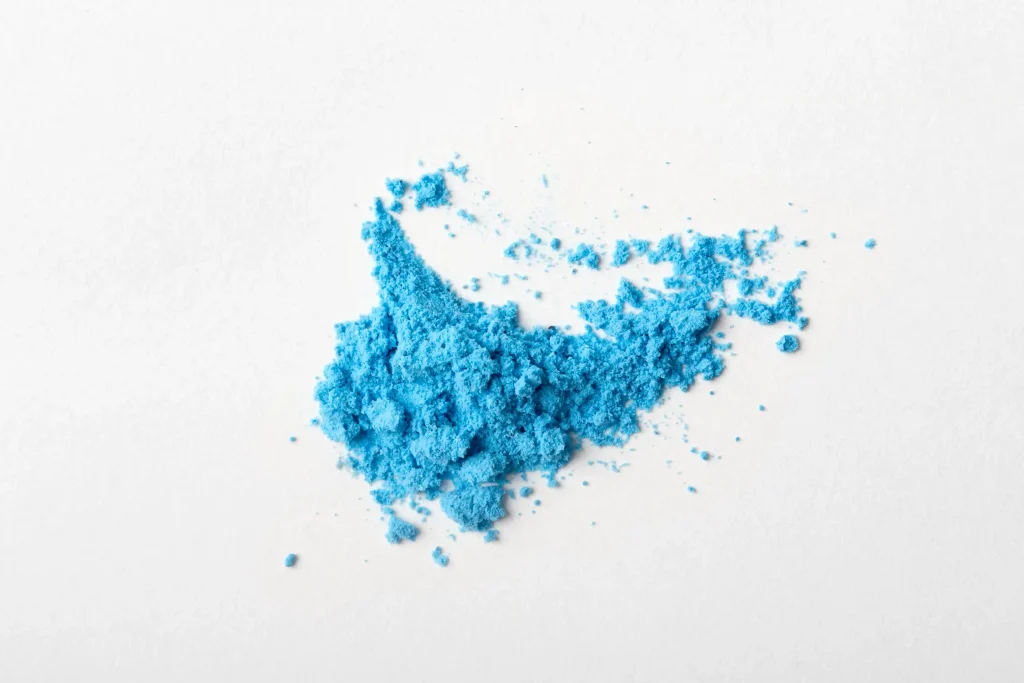
New DTF powders are designed with high-performance and reliability in operation. Advances in material, such as particle size consistency, have enhanced adhesion, color holdout, and ease of application, delivering high-quality output whether the intensity of production is high or low. These advancements position DTF powder as a critical component for companies that want to provide superior custom-printed apparel.
High-Performance Adhesion
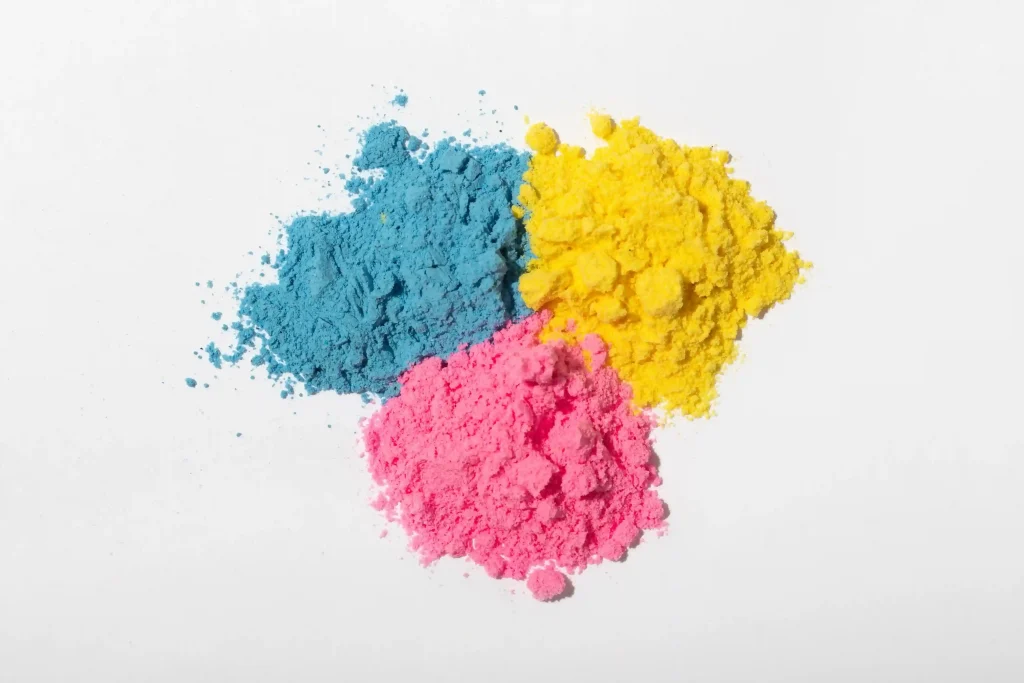
DTF powder creates hard fiber-to-printed ink bond. When cured with heat, it creates a hard film of adhesive that endures repeated washing and repeated wear without cracking or peeling. The hard adhesion is particularly priceless in repeatedly worn items such as sportswear and casual wear, where resilience and durability are crucial.
Bright, Vivid Color Retention
By keeping the ink adhered to the substrate, DDT powder prevents designs from fading away. Intricate and multi-color designs are crisp and clear in the long run, making the end product visually appealing. The feature is useful with designs involving gradients, thin lines, or intricate logos where color fidelity and crispness are important.
Eco-Friendly Formulation
The majority of current DTF powders are environmentally friendly in their design. They are most often made of non-toxic material and produce near-zero emissions during processing. In their green design, they avoid exposing operators to toxic exposure and ensure sustainability objectives, making them a greener and safer option for garment manufacturers.
Application Techniques of DTF Powder
It is important to apply the DTF powder appropriately to obtain the maximum printing output. From fabric preparation to heat curing, each process of the operation must be executed with the greatest care to ensure even adhesion and good-quality prints. Having knowledge of these processes can allow companies to reduce errors and optimize their print durability and aesthetic appeal.
Pre-Printing Preparation
Fabric pre-treatment before applying DTF powder is required for a uniform, level finish. It is free from dust, oils, or other contaminants that could affect powder adhesion. Well-prepared fabrics provide level coating and eliminate deficiencies in the printed end product, so the design adheres well and retains its desired visual look.
Powder Application and Shaking
DTF powder is brushed over wet ink on the PET film by hand or with help from automated shakers. Even application is essential: poor powder coverage can result in poor adhesion or stress areas in the print. Shaking or tapping the powder provides complete contact with the ink, with even bonding over the entire surface of the design.
Heat Curing Process
After applying the powder, the design is heat-cured so that the adhesive property of the powder is activated. The particles will melt and create a solid ink-to-fabric bond with heat. Temperature and timing process are imperative so that one does not over-cure or under-cure and wind up compromising the durability and finish of the print.
Selecting the Right DTF Powder
The choice of the right DTF powder depends on fabric type, desired print effect, and printing process. The wrong powder choice may result in bad adhesion, bleeding of color, or damage to delicate fabrics.
Considering Fabric Compatibility
Different powders are designed for different materials. For elastic material, polyurethane-formulated powders provide the print with great flexibility and elasticity so that the print will move as the material moves. For cotton or rigid materials, polyester-formulated powders provide more hold and maintain bright color long term. Being aware of these differences guarantees prints work properly for intended use.
Evaluating Print Characteristics
The thickness, tactility, and texture of printed thickness are all a function of the powder type. The thicker powders contribute to the opacity of the ink and have a raised tactility feel, while the thinner powders are suitable for printing fine intricate designs with utmost accuracy. Care for these parameters is important in order to achieve the aesthetic and tactility qualities of the printed garment as desired.
Customization Options
Some of the DTF powders are also in custom formulation and color, which enables the operator to make up the adhesive to his own specification. This level of flexibility supports brand identity, allows individual design features, and encourages creative experimentation in garment printing. Custom-formulated solutions provide the opportunity to make up interesting, unconventional-looking finished products.
Advantages of Incorporating DTF Powder in Production
Application of high-quality DTF powder adds some crucial advantages to manufacturing efficiency and product quality. Its reliability ensures printed designs adhere flawlessly on fabrics, minimizing errors and inconsistencies in the printing process. DTF powder’s versatility allows manufacturers to maintain a continuous manufacturing process and meet different customer needs. Its ease ensures low and high-level manufacturing volumes with reproducible results and reducing production downtime. Utilizing DTF powder eventually enhances production efficiency and product quality.
Increased Production Efficiency
Top-quality DTF powder enhances production efficiency mainly by simplifying the process of printing and reducing curing time. Rapid adhesion allows operators to complete prints in less time without sacrificing quality, reducing labor and operational expenses. Single-operator operation facilitates high throughput, and small batch and high-volume runs are simple to handle. Furthermore, consistent behavior of powder when curing under heat reduces errors, becomes simpler to perform, and boosts overall productivity, enabling firms to efficiently fulfill increasing customer demands.
Consistent High-Quality Results
DTF powder provides each printed shirt with consistent adhesion and deep color hold, delivering consistent professional-grade products. This eliminates opportunities for defectivity such as peeling, cracking, or weakening by washing, which can adversely affect customer satisfaction. Consistent print quality allows manufacturers to produce high-quality items from batch to batch, establishing brand reputation. Durable prints withstand repeated wear and tear without compromising on visual appearance. Print quality consistency minimizes material wastage, refunds, and gains customers’ trust, and leads the company to produce consistent-looking and good-quality apparels every time.
Versatility Across Applications
DTF powder is broad enough that it can be used with almost any material such as cotton, polyester, and blends, so that it can be used on almost any garment such as T-shirts, hoodies, sports wear, and merchandise. Its broadness makes the producer able to employ the same powder on various materials and designs, cutting down inventory levels and planning complexity. Such flexibility allows for creative design modifications on a quality-assured premise. By facilitating high-quality printing on a range of products with effectiveness, DTF powder allows companies to improve product offerings, maximize operations, and fulfill diversified customer requirements efficiently.
Conclusion
DTF powder is one of the most critical components in modern direct-to-film printing to provide printing across a broad range of fabrics in highly quality, long-lasting, and highly colored ways. Its trailblazing composition promotes flexibility, high-tack bonding, and environmental-friendly qualities that make it a reliable source for companies that anticipate industry-standard outputs. Even accurate applying techniques and choosing experienced powders guarantee printed artwork appears well and may be re-used. For all those involved in custom clothing production, it is necessary to know the nature and benefits of DTF powder in order to maximize workflow and produce higher-quality products. To browse specific product alternatives and discover more about features, go to the product page for more detailed information. You can visit our website DTF Consumables – KONIN to learn more details.