
Direct-to-Film (DTF) printer technology has transformed the business of custom apparel and merchandise production. The potential of DTF printing to produce high-quality, colored, and long-lasting prints on a range of materials has transformed the printing business. When paired with powder shaker and drying units, DTF printers offer an end-to-end solution that reduces labor and increases efficiency and consistency. Knowing the specifications, benefits, and constraints of DTF printing systems is crucial to everyone who wants to upgrade printing capabilities or invest in premium equipment.
DTF Printer Technology and Workflow
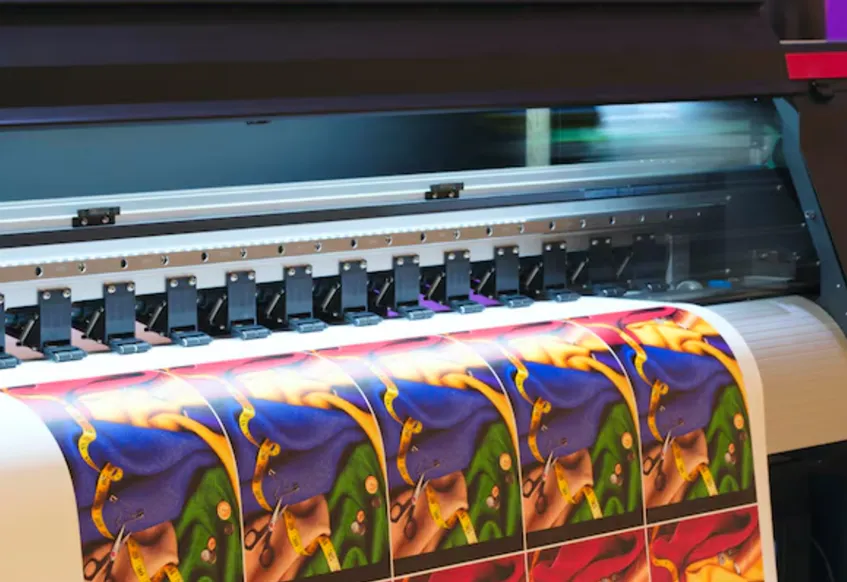
DTF printers use unique print technology that differentiates them from regular heat transfer or direct-to-garment prints. It begins by creating a digital design that is printed directly onto proprietary film with CMYK ink and white ink for transparency. The film is then coated with adhesive powder and heat-cured thereafter prior to transferring it onto the fabric. This allows for beautiful designs with bold colors and silky gradients.
Digital Printing Precision
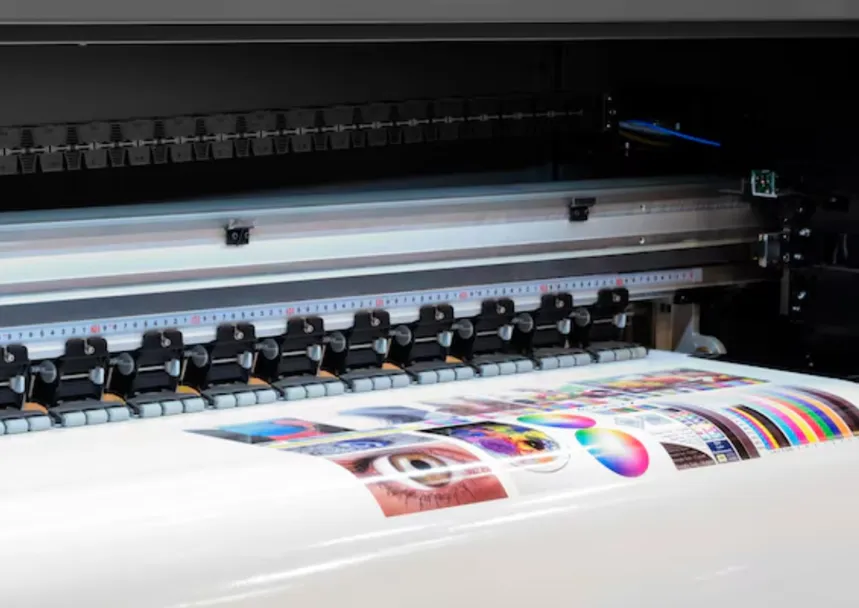
DTF printers also differ with the ability to print at very high resolutions, typically over 1440 dpi, that picks up subtle details in sharp clarity and precision. That can allow companies to deliver complex patterns and photo-realistic images that cannot be achieved through standard heat transfers. High-resolution printing is the secret to companies aiming to appear professional and professional-grade in printed productions.
Adhesive Powder Integration
One of the standout features of newer DTF printers is most likely the automatic powder shaker system. This system evenly coats the wet ink with adhesive powder, eliminating any inconsistency that can be introduced by manual powdering. Not only does this help with print quality, but it also saves labor, allowing faster and more efficient production. Even application of adhesives is directly responsible for creating prints that will withstand several washes and uses.
Heat Curing and Transfer Efficiency
Following powder application, the printed film is heat cured in a heat drying machine. The process ensures that the adhesive gets activated and bonds well with the film. The film, thus cured, is transferable onto substrates of various types such as cotton, polyester, blends, and even non-fabric-based substrates. The end result of heat cure and proper transfer is that designs are not faded and are durable, which provides end-users with quality products that meet professional standards.
Key Features of Modern DTF Printers
When selecting a suitable DTF printer, one ought to give thoughtful consideration to its main features. Printers of this kind from the new generation are designed to enhance productivity, optimize design quality, and provide application flexibility of various types. All these qualities make DTF printers a valuable investment for small-sized as well as large-sized business organizations.
Multi-Media Compatibility
DTF printers are very versatile, enabling them to print on substrates such as cotton, polyester, silk, and blends. Versatility enables businesses to expand the variety of products, catering to apparel, accessories, and promotional products. Multi-media capability ensures that the printer will handle different substrates without pre-treatment, making production simple and reducing overhead costs.
Integrated Powder Shaker System
The majority of modern DTF printers also come with an onboard powder shaker that coats adhesive powder evenly on the printed film. The automation guarantees that the coating is level and even and doesn’t create clumps, a scenario that creates defect in the end print. The onboard shaker also eliminates labor handling, guaranteeing smoother production and reduced possibility of error in printing. Businesses experience consistent print quality and minimal operational effort.
User-Friendly Control Interface
A user-friendly interface is the means to facilitating ease of use, especially in high volume print settings. Pre-programmed controls, touch screens, and automatic maintenance allow easy use by the operators. The interface also provides diagnostic software for early identification of problems, which minimizes maintenance costs and downtime. Ease of use optimizes overall productivity and allows operators of any skill level to deliver consistently professional-quality output.
Advantages of Investing in a DTF Printing System
DTF printers are loaded with advantages that make them excellent investments for new startups and already existing businesses. The systems provide a competitive edge in the printing business, from cost-effectiveness to durability.
High-Quality Print Results
The combination of high-definition printing, precise powder deposition, and effective curing equals excellent results. Prints are dense, vivid, and long-lasting, which makes them ideal for luxury fashion brands and personalized items. Quality production allows companies to differentiate themselves in a competitive marketplace by selling products that are visually stunning and meet customers’ expectations.
Versatility Across Products
DTF printing machines allow printers to print more than just clothing. Tote bags, pillowcases, and promotional products are just a few of the items that can be printed with the same degree of efficiency and quality. Diversification of product and market is attained without investing in another printing machine. Diversification of product lines using DTF printing improves profitability and stability in the business.
Efficiency and Time Savings
The integration of powder shaking, drying, and curing systems into a single workflow reduces manual handling and accelerates production. Operators can now create more batches in less time, which increases the overall productivity. For businesses with tight deadlines or large orders, the productivity of a DTF system is a great advantage, which ensures on-time delivery and consistent quality.
Considerations Before Purchasing a DTF Printer
While DTF printers provide numerous benefits, thoughtful consideration is taken before buying. Having knowledge of your production requirements and operational constraints will ensure that you buy a system that will suit the demands of your business.
Production Volume Requirements
Your production calculations are instrumental in your printer size and speed determination. High-volume companies can utilize larger models with two print heads or higher throughput. Understanding requirements for production levels ensures the investment is warranted in current needs with potential growth ability.
Maintenance and Operational Costs
Regular maintenance ensures print quality and printer longevity. Opt for units with self-cleaning features and easy access to replaceable parts. Additionally, factor in consumable costs like inks, films, and adhesive powders. An economical system reduces long-term operating costs without sacrificing high-quality output.
Space and Workflow Considerations
DTF printers, especially those equipped with powder shakers and dryers, require space to function. An optimum design of the layout prevents production bottlenecks and ensures a smooth workflow. Furthermore, sufficient space allows for safe and easy operation and maintenance, thereby guaranteeing overall performance and workplace safety.
Future Potential of DTF Printer
Continued development of DTF technology is promising for the future of the print process. Development in ink compounds, print speeds, and small design work is making DTF printers more affordable and more reliable. With the rising demand for customized and personalized products, organizations that have DTF printing will be well placed to take advantage of market direction.
Expanding Market Applications
DTF printing offers flexibility far beyond apparel, extending into sectors like home furnishings, personalized accessories, gifts, and promotional merchandise. This expansion enables businesses to create a wider range of products, such as decorative pillow covers, tote bags, mugs, and custom event items. Diversifying product lines opens new revenue streams and allows companies to reach niche markets that were previously difficult to access. By offering multiple categories, businesses reduce reliance on a single market, decreasing vulnerability to seasonal trends or economic shifts, while encouraging creativity and innovation in design and material choices for long-term growth.
Technological Enhancements
Recent technological advancements in DTF printers have significantly boosted performance and reliability. Higher print resolution ensures intricate details and smooth color gradients, while improvements in powder adhesion guarantee durable transfers that resist peeling and fading. Enhanced drying efficiency accelerates curing time, reduces energy use, and minimizes waste. These innovations make the printing process more consistent, allowing businesses to produce larger volumes without sacrificing quality. Reliable machines reduce downtime and operational disruptions, providing higher overall productivity. Additionally, the ability to handle complex, high-quality designs supports premium product offerings that meet demanding customer expectations.
Sustainability Considerations
Modern DTF printers increasingly incorporate environmentally friendly practices, making production both efficient and eco-conscious. Optimized ink usage and minimal powder waste reduce material consumption, while energy-efficient drying systems lower electricity demands. Such measures not only lessen the environmental footprint but also appeal to eco-conscious consumers who value sustainability in manufacturing. Companies adopting green DTF practices can highlight these efforts as part of their brand identity, enhancing reputation and consumer trust. By combining innovation with environmental responsibility, businesses can create durable, high-quality products while promoting a positive, sustainable image that resonates with a growing segment of environmentally aware buyers.
Conclusion
DTF printers, particularly those with built-in drying units and powder shakers, are a cost-effective and versatile option for printing businesses today. They provide high, solid, and full-color designs on a wide material base, allowing businesses to expand product lines and meet customers’ needs. By having knowledge of the workflow, key features, and factors with DTF printers, operators can make informed decisions for optimal productivity, cost savings, and support sustainable growth. An investment in a DTF print system delivers a competitive edge in the new world of personal print, with both design freedom and professional-grade output. You can visit our website DTF Consumables – KONIN to learn more details.